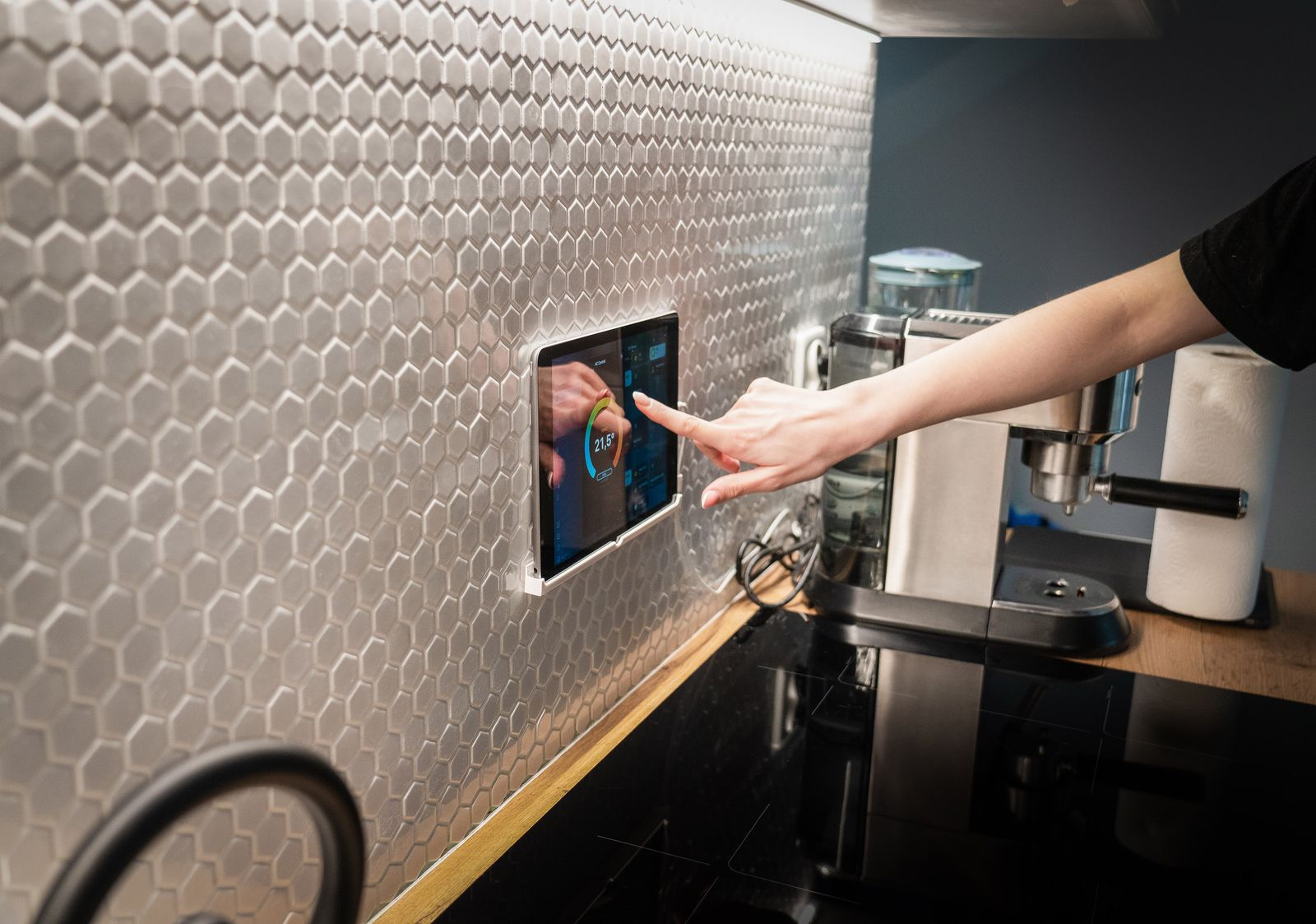
Home technology is often marketed as something dramatic — a fully automated house controlled from a single app. In practice, the technology that ends up genuinely useful in day-to-day life is usually much smaller in scope: a single device solving a single recurring annoyance.
Start with a specific problem
Rather than starting with a category of device, it helps to start with a specific, recurring frustration. Forgetting to turn off a light before bed, losing track of which appliances are running, or wanting a simple way to check the front door without getting up are all narrow problems that a single well-chosen device can solve — without requiring a full smart-home overhaul.
Buying broadly and hoping something proves useful tends to result in devices that get set up once and never used again. Solving one clear problem at a time is a more durable approach.
Compatibility matters more than features
Before buying any connected device, it's worth checking what ecosystem or app it depends on, and whether that fits with anything already in the home. A device with fewer features that works reliably within an existing setup is generally more useful long-term than one with an impressive feature list that requires its own separate app and account.
- Check whether a device needs a hub, or can connect directly to home Wi-Fi.
- Look for stated support timelines, particularly for anything tied to a subscription or cloud service.
- Consider how the device behaves if the internet connection drops — some default to a safe, usable state, others do not.
Simplicity tends to last longer
The most durable home technology tends to be the least flashy: a reliable timer, a well-placed sensor, a display that shows information at a glance rather than requiring an app to check it. When evaluating new technology for the home, it's worth asking whether it removes a step from daily life, or simply adds a new one dressed up as convenience.