Home workspace setups are often presented as an aesthetic project — a particular desk, a specific chair, a curated collection of accessories. In practice, a workspace that actually gets used consistently tends to come down to a much smaller set of basics.
A dedicated spot matters more than a large one
A small, consistently used desk in a corner of a room tends to support focus better than a larger, more elaborate setup that gets used inconsistently. The specific location matters less than whether it's associated, consistently, with focused work rather than other activities.
Prioritize what you touch every day
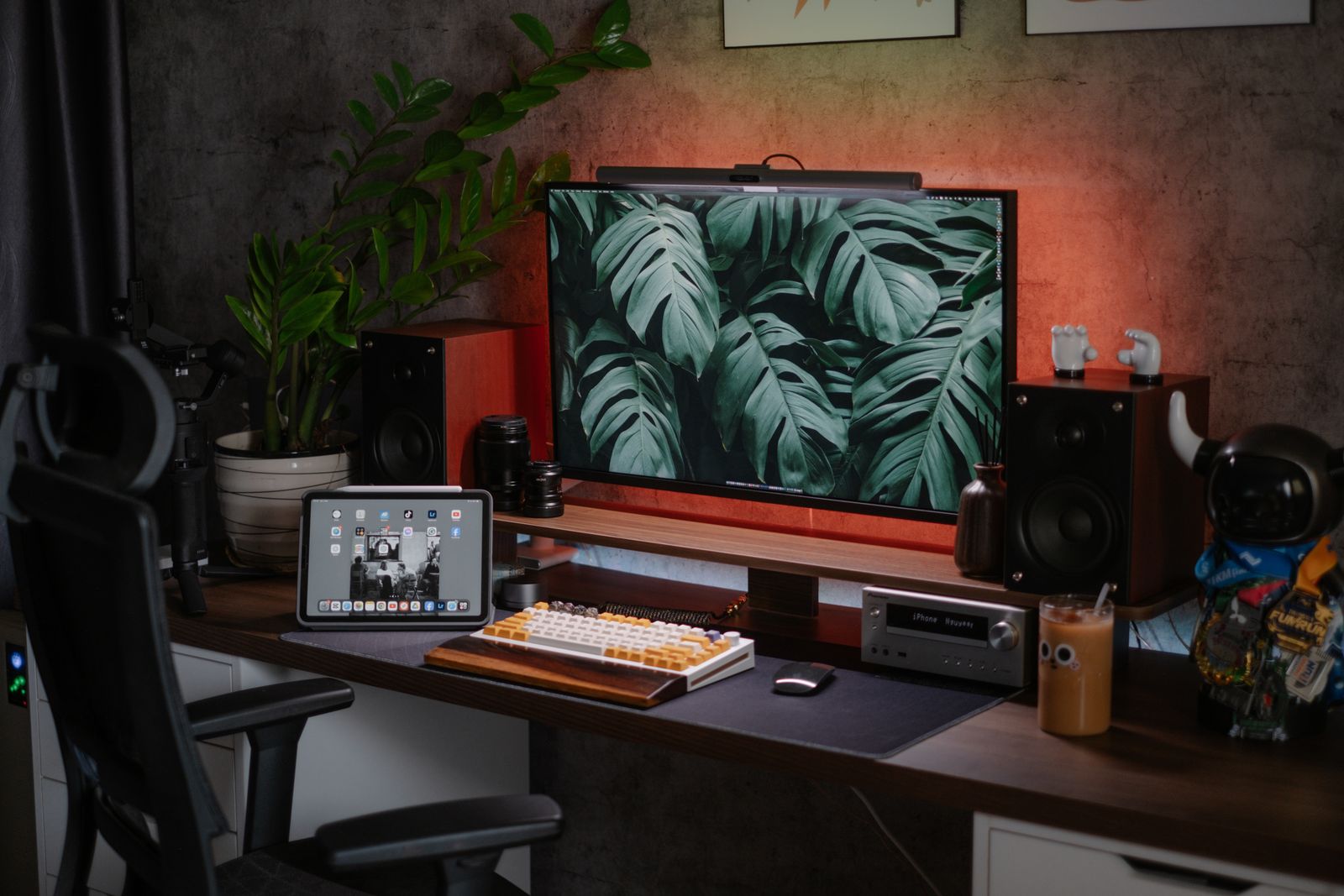
Of everything in a workspace, the chair and the monitor position tend to affect daily comfort the most, since they're used for hours at a stretch. Spending more attention on getting these two things right — a chair that supports posture, a screen at a comfortable eye level — tends to matter more than smaller accessories.
Keep the surface mostly clear
A workspace that accumulates unrelated items over time — mail, unrelated objects, half-finished tasks — tends to become mentally noisy even if it isn't visually cluttered. A short reset at the end of each day, clearing the desk back to its essentials, tends to make the space easier to sit down and use the next morning.