When a home doesn't feel comfortable, the instinct is often to buy new furniture. In practice, comfort is frequently shaped by smaller, less obvious details — temperature, sound, and texture — that furniture alone doesn't fully address.
Temperature layering
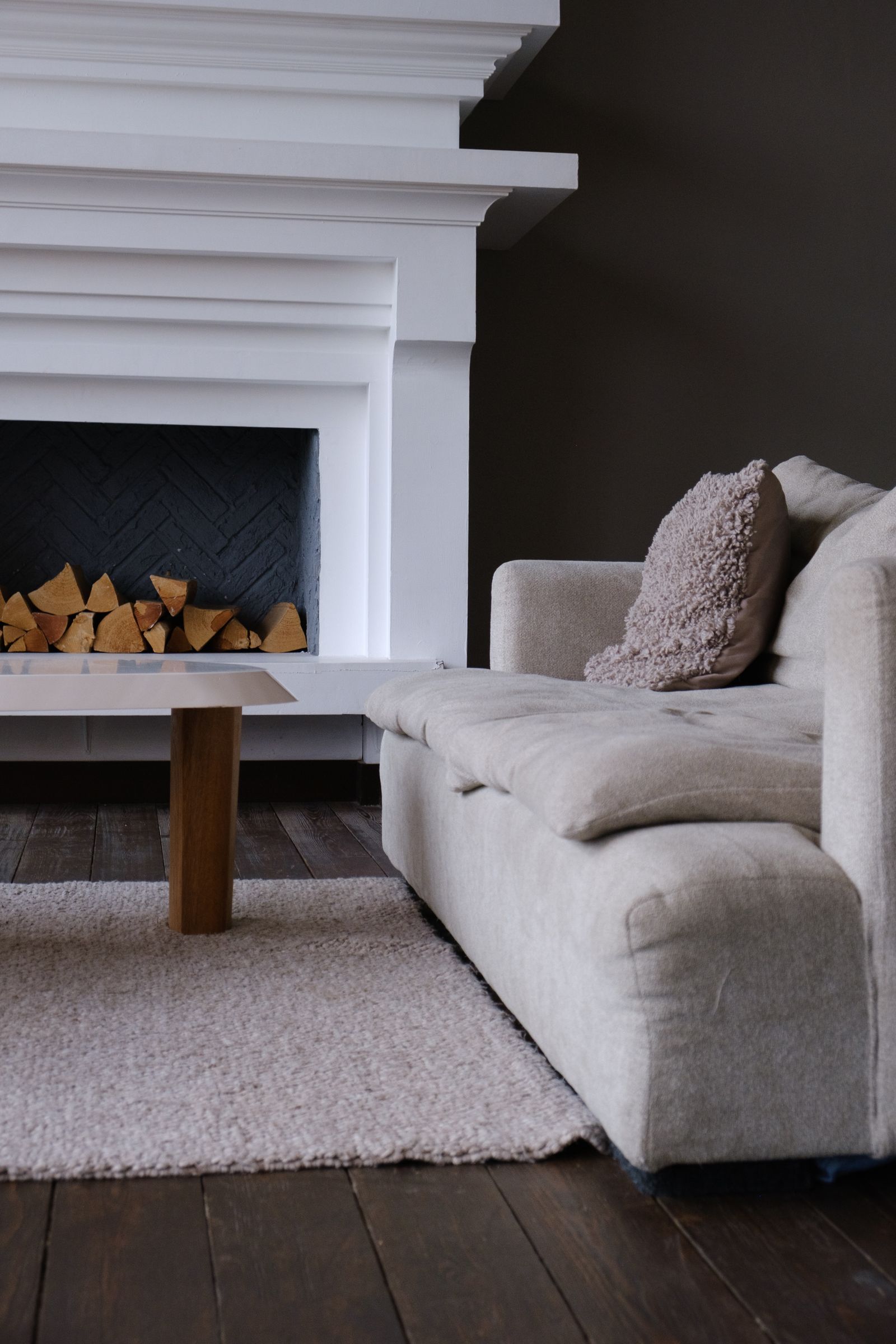
A room that's technically at a comfortable temperature can still feel uncomfortable if there's a cold draft near a window or floor. Simple additions — a draft stopper, a thicker rug over hard flooring, curtains that fully cover a window frame — tend to make a bigger difference to comfort than adjusting a thermostat by another degree.
Sound is often overlooked
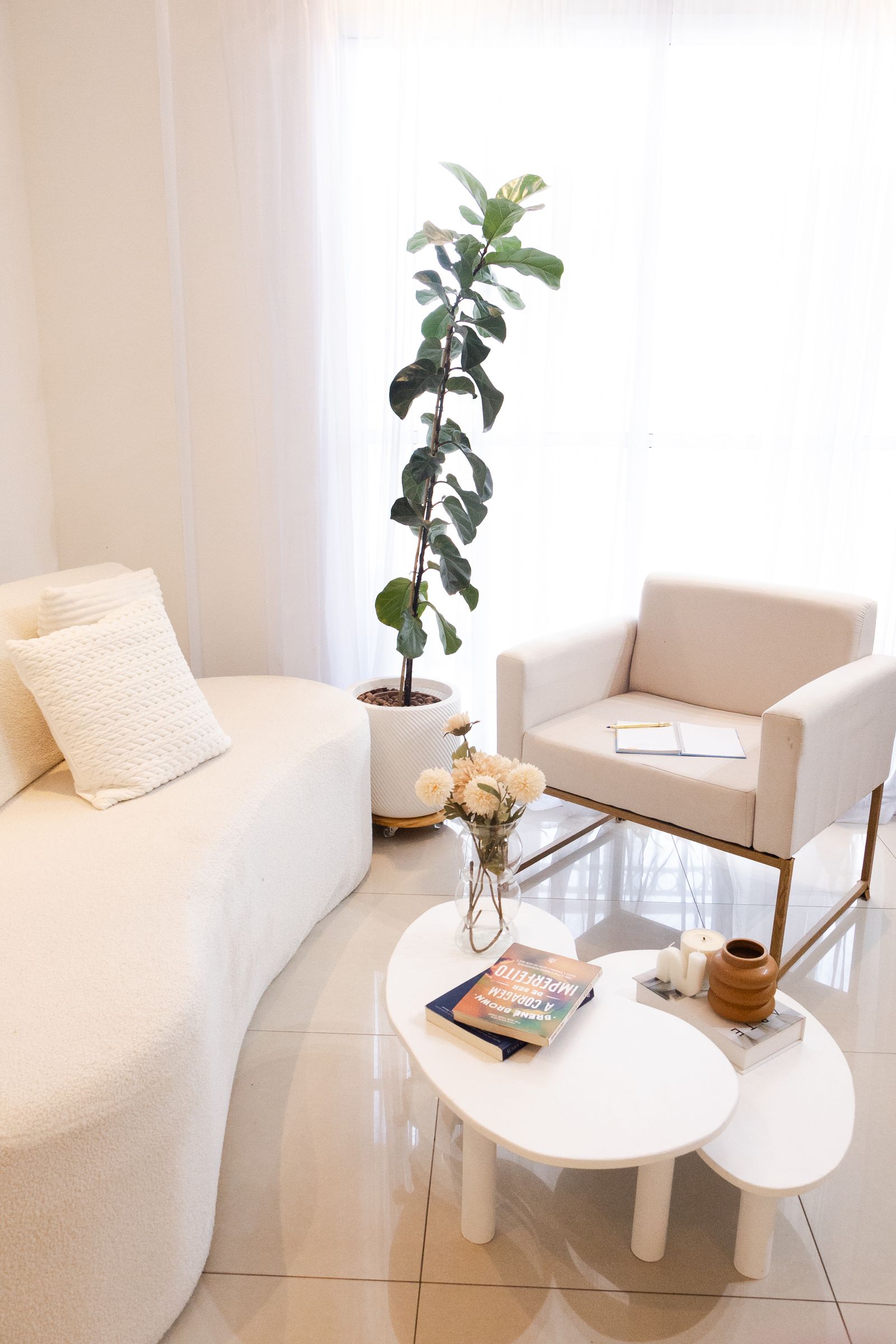
Hard surfaces reflect sound, which can make a room feel busy or tense even when it's quiet. Soft furnishings — rugs, curtains, upholstered furniture — absorb sound and tend to make a space feel calmer. This is one reason a fully furnished room can feel more relaxing than a sparsely decorated one, independent of style.
Texture over matching
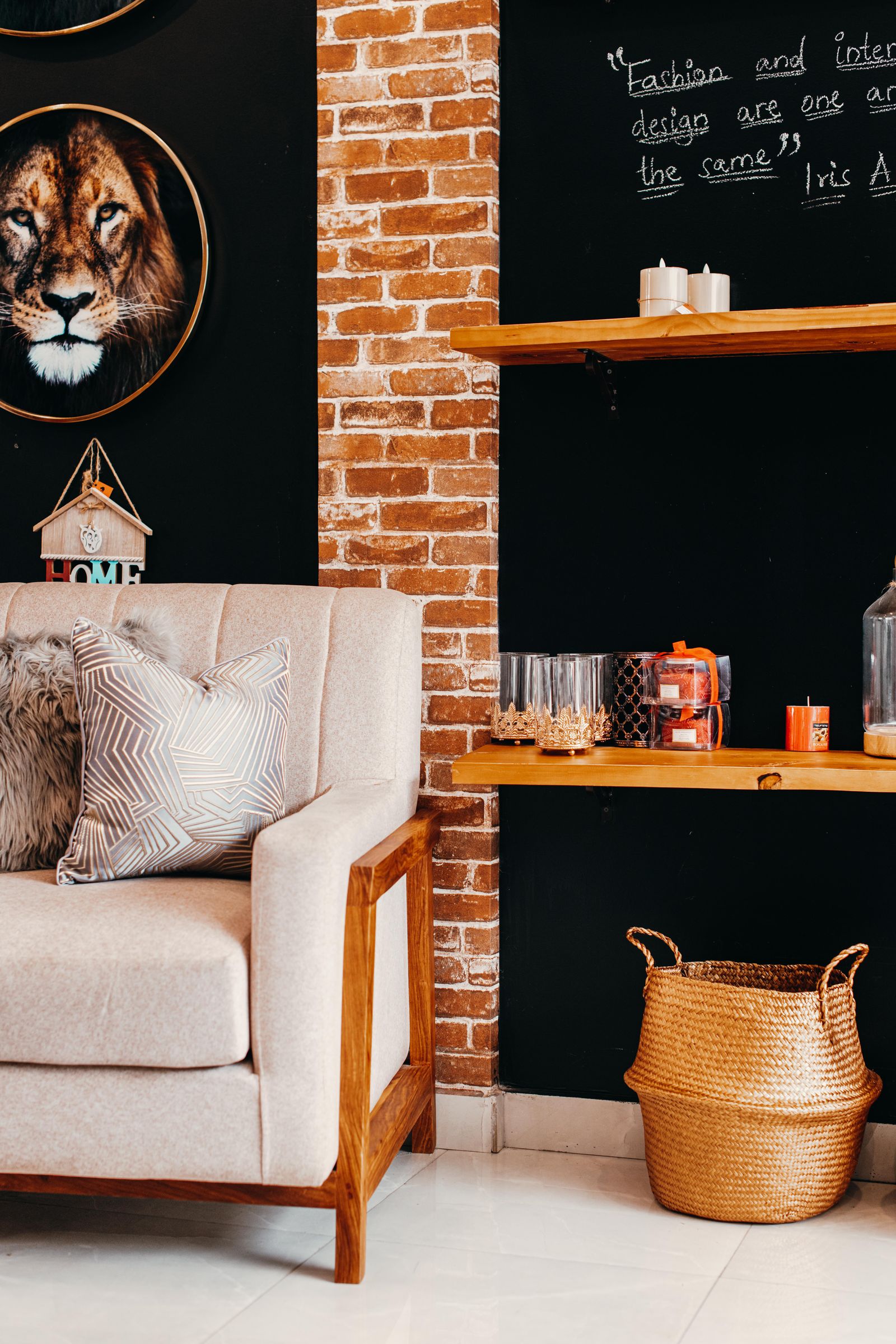
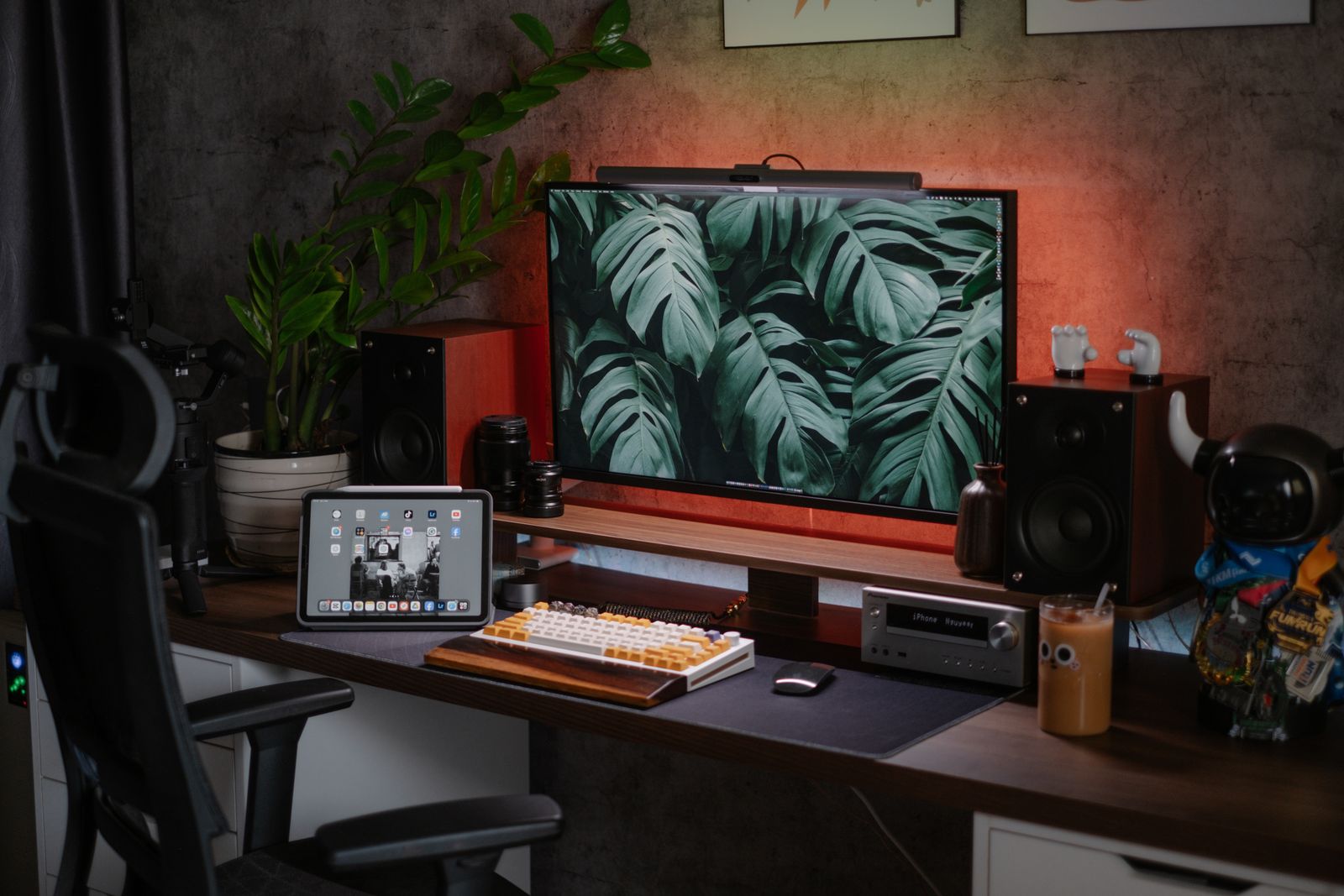
A room made up entirely of similar textures — all smooth, all hard, all one material — often feels less comfortable than one with some variation: a wool throw next to a wood surface, a woven basket next to a smooth ceramic lamp. Comfort tends to come from variety and texture rather than strict color or style matching.